
Pesto sauce is a versatile and flavorful addition to many dishes, from pasta to sandwiches. This classic Italian sauce combines fresh basil leaves, parmesan cheese, olive oil, pine nuts, and garlic to create a rich and aromatic condiment that can elevate any meal.
While most of the ingredients for pesto sauce are commonly found in many kitchens, pine nuts might be less familiar to some. These small, buttery nuts can be found in the baking or nut section of most supermarkets. Fresh basil leaves are essential for the vibrant flavor of the sauce, so be sure to pick up a bunch from the produce section.
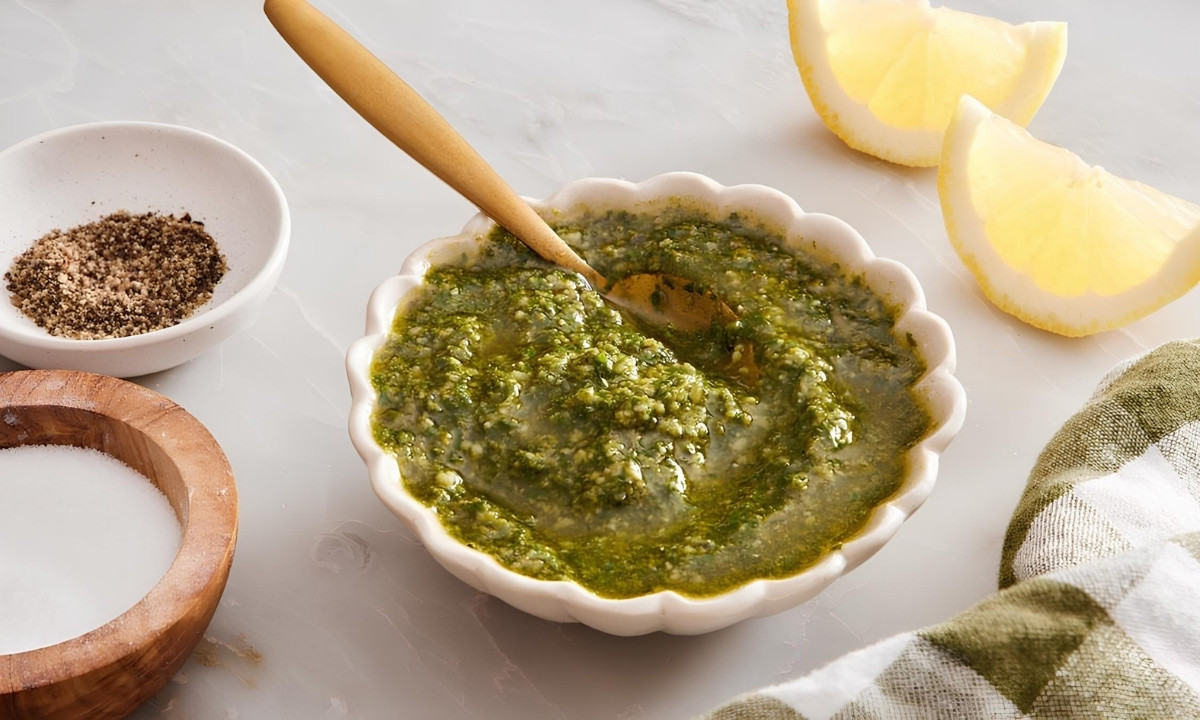
Ingredients For Pesto Sauce Recipe
Basil leaves: Fresh basil leaves are the star of this sauce, providing a fragrant and slightly sweet flavor.
Parmesan cheese: Adds a rich, savory taste and helps to thicken the sauce.
Olive oil: Extra virgin olive oil is used to blend the ingredients together and adds a smooth texture.
Pine nuts: These nuts add a creamy texture and a subtle nutty flavor.
Garlic: Minced garlic gives the sauce a pungent and aromatic kick.
Salt: Enhances the overall flavor of the sauce.
Black pepper: Adds a hint of spice and balances the flavors.
Technique Tip for Making Pesto
When making pesto sauce, it's crucial to use fresh basil leaves for the best flavor. To prevent the basil from oxidizing and turning brown, you can blanch the leaves quickly in boiling water for about 10 seconds and then immediately transfer them to an ice bath. This technique helps maintain the vibrant green color of the pesto. Additionally, toasting the pine nuts lightly in a dry skillet before adding them to the food processor can enhance their nutty flavor, giving your pesto an extra depth of taste.
Suggested Side Dishes
Alternative Ingredients
fresh basil leaves - Substitute with spinach leaves: Spinach provides a similar texture and mild flavor, making it a good alternative for pesto.
fresh basil leaves - Substitute with arugula: Arugula adds a peppery kick, offering a different but delightful twist to the pesto.
grated parmesan cheese - Substitute with pecorino romano: Pecorino Romano has a similar texture and a slightly saltier taste, which complements the pesto well.
grated parmesan cheese - Substitute with nutritional yeast: Nutritional yeast provides a cheesy flavor and is a great vegan alternative.
extra virgin olive oil - Substitute with avocado oil: Avocado oil has a mild flavor and similar health benefits, making it a suitable replacement.
extra virgin olive oil - Substitute with grapeseed oil: Grapeseed oil has a neutral flavor and a high smoke point, making it a versatile substitute.
pine nuts - Substitute with walnuts: Walnuts offer a similar texture and a slightly earthy flavor, which works well in pesto.
pine nuts - Substitute with almonds: Almonds provide a crunchy texture and a mild, nutty flavor that complements the other ingredients.
minced garlic - Substitute with garlic powder: Garlic powder can be used in a pinch, though it lacks the fresh, pungent flavor of minced garlic.
minced garlic - Substitute with shallots: Shallots offer a milder, sweeter flavor and can add a unique twist to the pesto.
salt - Substitute with soy sauce: Soy sauce adds a salty flavor along with a bit of umami, enhancing the overall taste.
salt - Substitute with sea salt: Sea salt provides a similar salty flavor with a slightly different mineral profile.
black pepper - Substitute with white pepper: White pepper offers a similar heat but with a slightly different flavor profile, making it a good alternative.
black pepper - Substitute with red pepper flakes: Red pepper flakes add a bit of heat and a different kind of spiciness, giving the pesto a unique kick.
Alternative Recipes Similar to Pesto
How to Store and Freeze Pesto
To keep your pesto sauce fresh and vibrant, transfer it to an airtight container. Make sure to press a piece of plastic wrap directly onto the surface of the pesto before sealing the lid. This helps to minimize exposure to air, which can cause the basil to oxidize and darken.
If you plan to use the pesto within a week, store it in the refrigerator. The olive oil may solidify slightly when chilled, but it will return to its liquid state at room temperature.
For longer storage, consider freezing the pesto. One convenient method is to spoon the pesto into an ice cube tray. This way, you can pop out individual portions as needed. Once frozen, transfer the pesto cubes to a resealable plastic bag or airtight container.
Another freezing option is to spread the pesto in a thin layer on a baking sheet lined with parchment paper. Once frozen, break it into pieces and store them in a resealable plastic bag. This method allows you to grab just the right amount without thawing the entire batch.
To prevent the pesto from becoming too firm in the freezer, you can add a thin layer of olive oil on top before freezing. This extra layer of oil acts as a barrier against freezer burn and helps maintain the pesto's creamy texture.
When you're ready to use the frozen pesto, simply thaw it in the refrigerator overnight or at room temperature for a few hours. If you're in a hurry, you can also defrost it in the microwave on a low setting, stirring frequently to ensure even thawing.
Remember, pesto can be a versatile addition to many dishes. Whether you're tossing it with pasta, spreading it on sandwiches, or using it as a marinade for meat or vegetables, having a stash of homemade pesto on hand can elevate your culinary creations.
How to Reheat Leftovers
Gently heat the pesto sauce in a small saucepan over low heat. Stir frequently to ensure even warming and prevent the olive oil from separating.
If using a microwave, transfer the pesto sauce to a microwave-safe bowl. Cover with a microwave-safe lid or plastic wrap with a few holes poked in it. Heat on medium power in 15-second intervals, stirring in between, until warmed through.
For a more integrated flavor, mix the pesto sauce with freshly cooked pasta or vegetables directly in the pot or pan. The residual heat from the pasta or vegetables will gently warm the pesto sauce without overcooking it.
If using the pesto sauce as a spread, let it come to room temperature by leaving it out on the counter for about 30 minutes before using. This method preserves the fresh flavors of the basil and garlic.
For a quick and easy method, place the pesto sauce in a heatproof bowl and set it over a pot of simmering water (double boiler method). Stir occasionally until the pesto sauce is warmed through.
Essential Tools for Making Pesto
Food processor: Essential for combining and finely chopping the basil leaves, pine nuts, and garlic to create a smooth pesto sauce.
Rubber spatula: Useful for scraping down the sides of the food processor to ensure all ingredients are evenly mixed.
Measuring cups: Necessary for accurately measuring the basil leaves, parmesan cheese, and olive oil.
Measuring spoons: Important for measuring the salt and pepper precisely.
Airtight container: Ideal for storing the pesto sauce in the refrigerator to keep it fresh for up to a week.
Knife: Handy for mincing the garlic cloves before adding them to the food processor.
Cutting board: Provides a stable surface for chopping the garlic cloves.
Time-Saving Tips for Making Pesto
Pre-measure ingredients: Measure out all ingredients like basil leaves, parmesan cheese, and pine nuts before you start. This will streamline the process.
Use pre-minced garlic: Save time by using pre-minced garlic instead of mincing fresh cloves.
Batch process: Make a larger batch of pesto sauce and freeze portions for future use.
Food processor efficiency: Ensure your food processor is clean and ready to go before starting to avoid interruptions.
Pre-toast pine nuts: Toast pine nuts in advance and store them in an airtight container.
Pesto Sauce Recipe
Ingredients
Main Ingredients
- 2 cups Fresh Basil Leaves
- ½ cup Grated Parmesan Cheese
- ½ cup Extra Virgin Olive Oil
- ⅓ cup Pine Nuts
- 3 cloves Garlic minced
- ¼ teaspoon Salt
- ¼ teaspoon Black Pepper
Instructions
- Combine basil leaves, pine nuts, and garlic in a food processor and pulse until coarsely chopped.
- Add Parmesan cheese and pulse a few times more.
- Slowly add olive oil in a constant stream while the food processor is on. Stop to scrape down the sides of the food processor with a rubber spatula.
- Add salt and pepper to taste.
- Store in an airtight container in the refrigerator for up to a week.
Nutritional Value
Keywords
More Amazing Recipes to Try 🙂
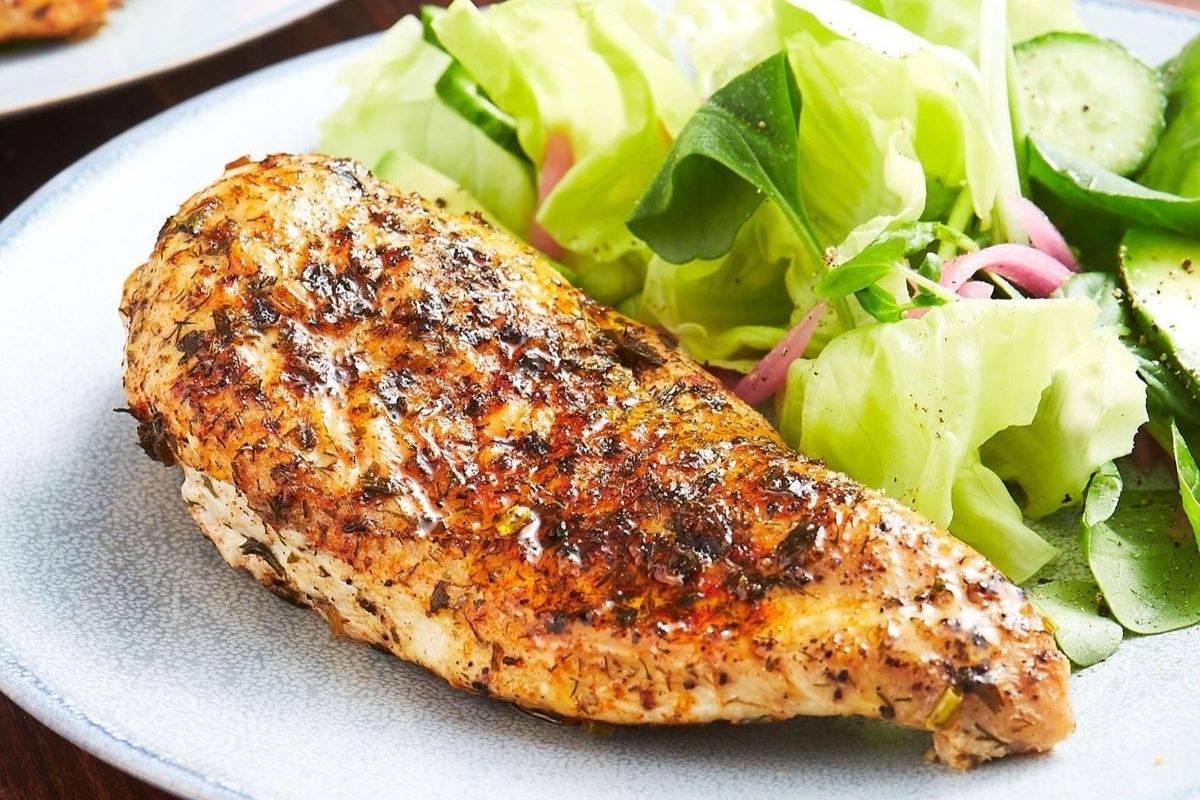
- Instant Pot Chicken Breast Recipe30 Minutes
- Vietnamese Iced Coffee Recipe10 Minutes
- Hash Browns Recipe30 Minutes
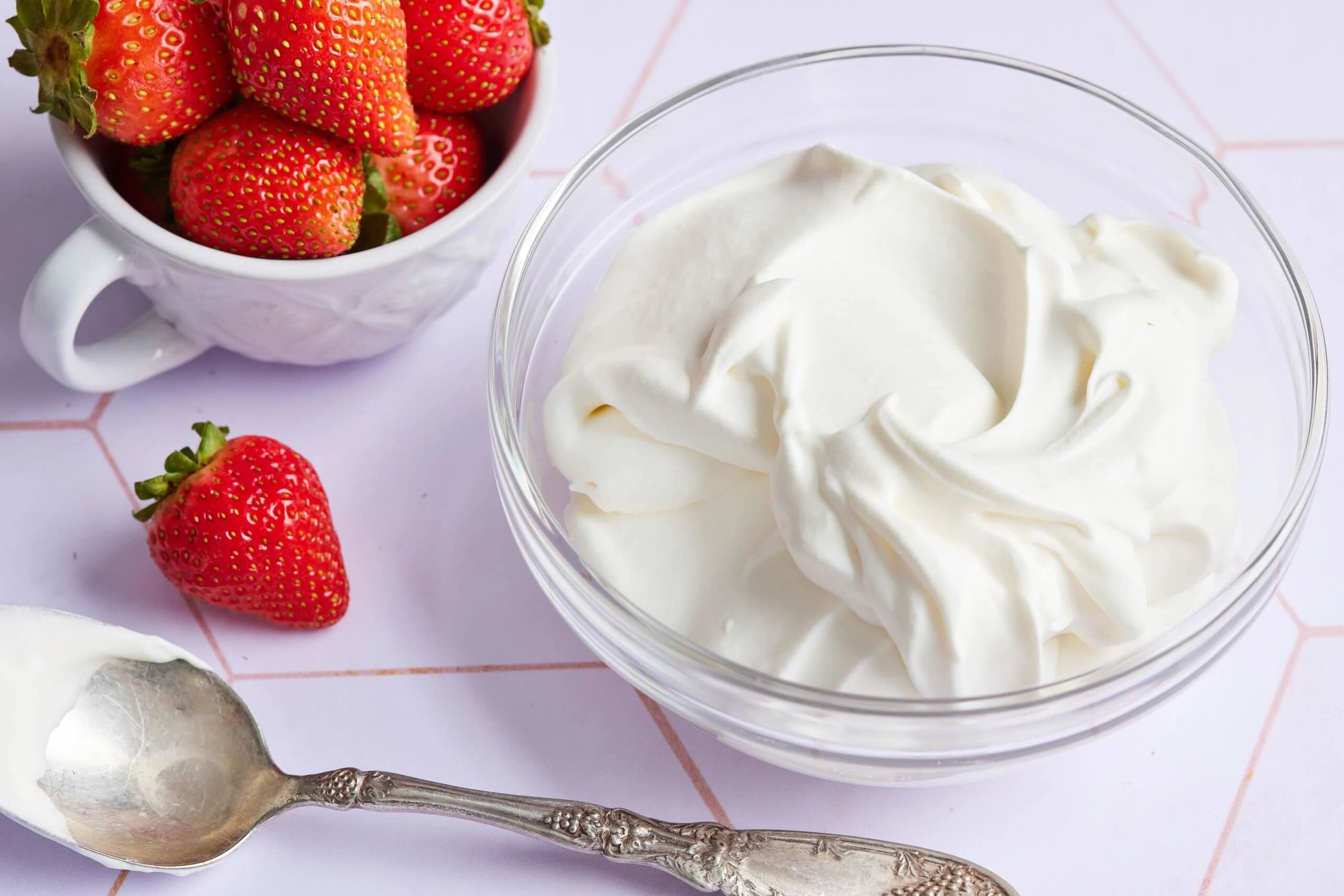
- Whipped Cream Recipe10 Minutes
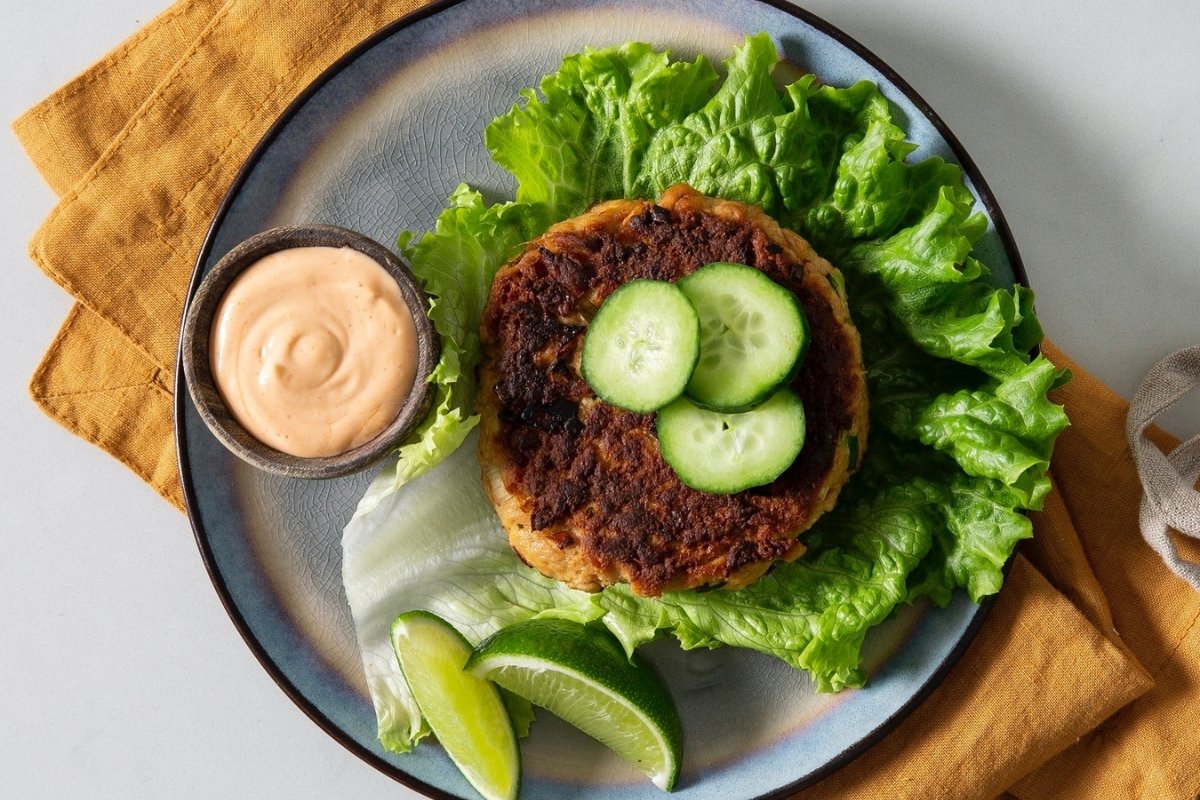
- Tuna Burgers Recipe25 Minutes
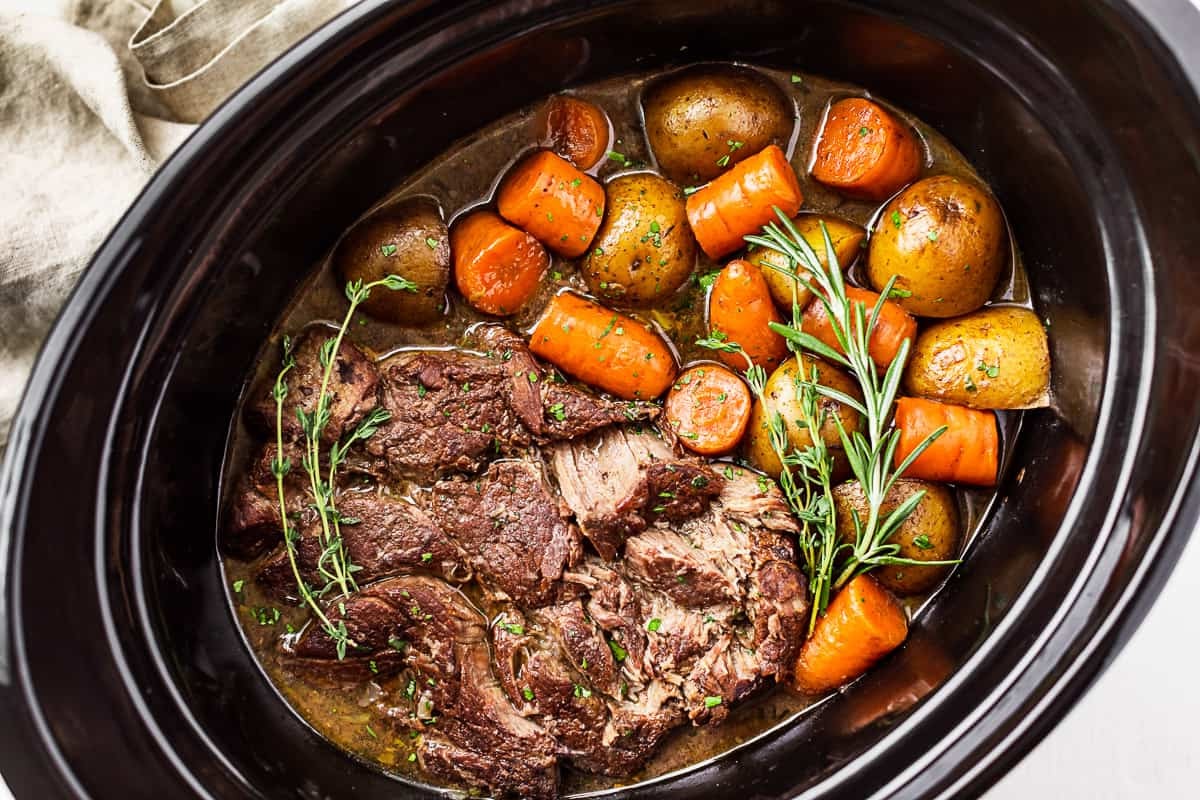
- Slow Cooker Pot Roast Recipe8 Hours 15 Minutes
- Baked Macaroni and Cheese Recipe45 Minutes
- Beanie Weenie Recipe30 Minutes





Leave a Reply