
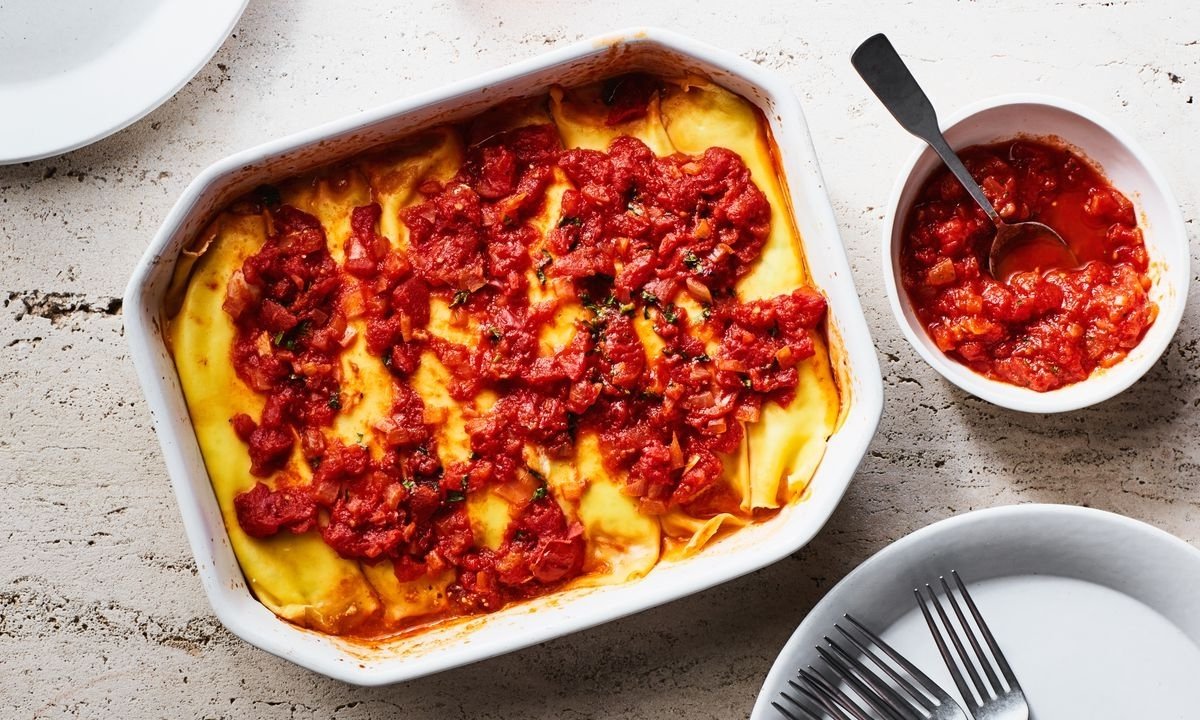
Transform your pasta nights with this rich and flavorful pasta sauce. This recipe is easy to follow and uses simple ingredients to create a delicious sauce that pairs perfectly with any type of pasta. Whether you're cooking for a family dinner or a special occasion, this sauce will elevate your meal to a whole new level.
Most of the ingredients in this recipe are common pantry staples, but you might need to pick up a few items if you don't already have them. Make sure you have olive oil, canned tomatoes, and dried herbs like basil and oregano. These ingredients are essential for achieving the authentic flavor of the sauce.
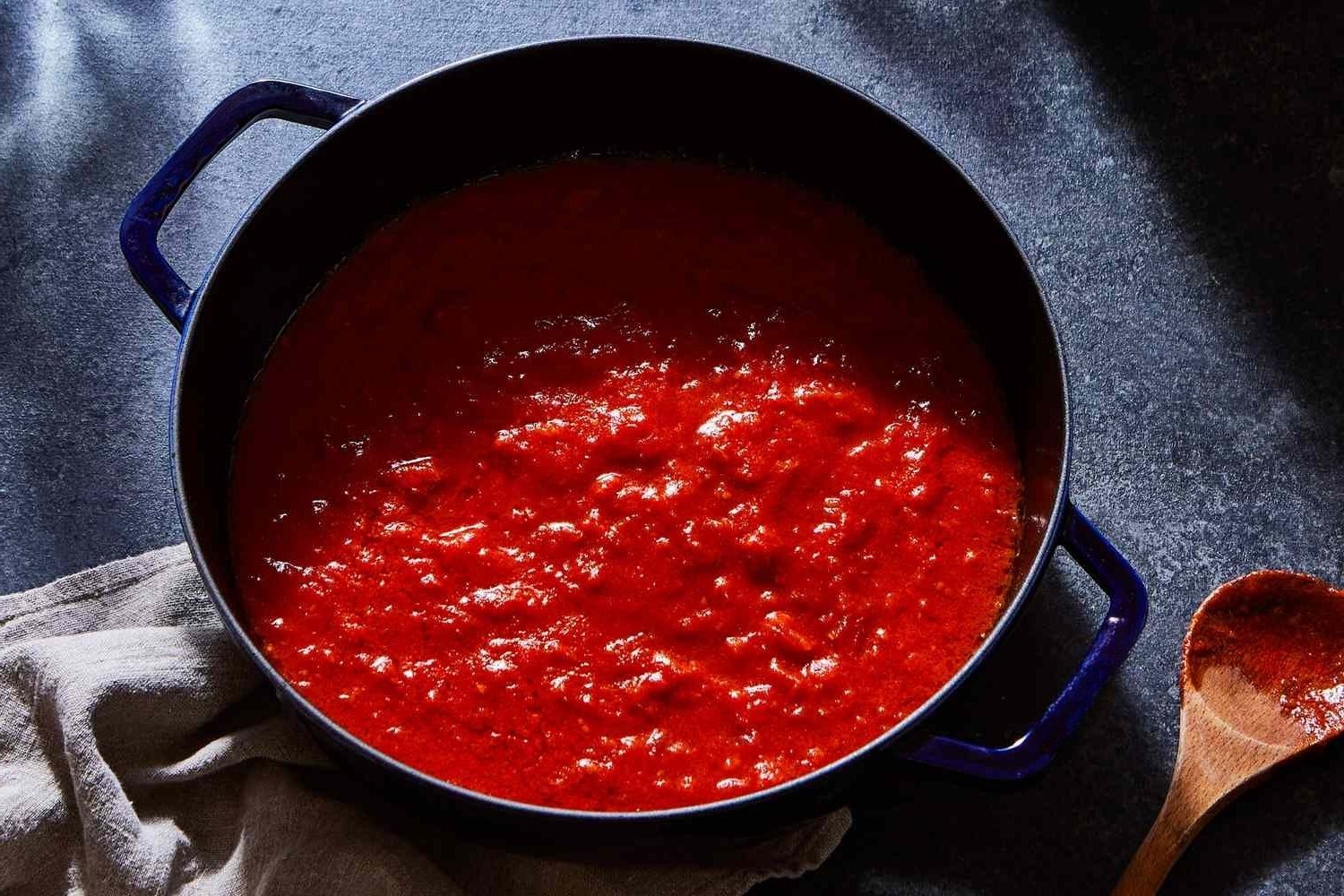
Ingredients For Pasta Sauce Recipe
Olive oil: This is used as the base for sautéing the onions and garlic, adding a rich flavor to the sauce.
Onion: Finely chopped to add sweetness and depth to the sauce.
Garlic: Minced to infuse the sauce with a robust, aromatic flavor.
Canned tomatoes: The main component of the sauce, providing a rich and tangy tomato flavor.
Salt: Enhances the overall flavor of the sauce.
Sugar: Balances the acidity of the tomatoes, giving the sauce a smoother taste.
Dried basil: Adds a sweet, herbal note to the sauce.
Dried oregano: Contributes a slightly bitter, earthy flavor that complements the tomatoes.
Black pepper: Adds a touch of heat and enhances the other flavors in the sauce.
Technique Tip for Making Sauce
When sautéing the onion and garlic, make sure to cook them slowly over medium heat to develop their natural sweetness. This process, known as sweating, helps to build a rich and flavorful base for your pasta sauce. Avoid browning the onion and garlic, as this can introduce a bitter taste to the sauce.
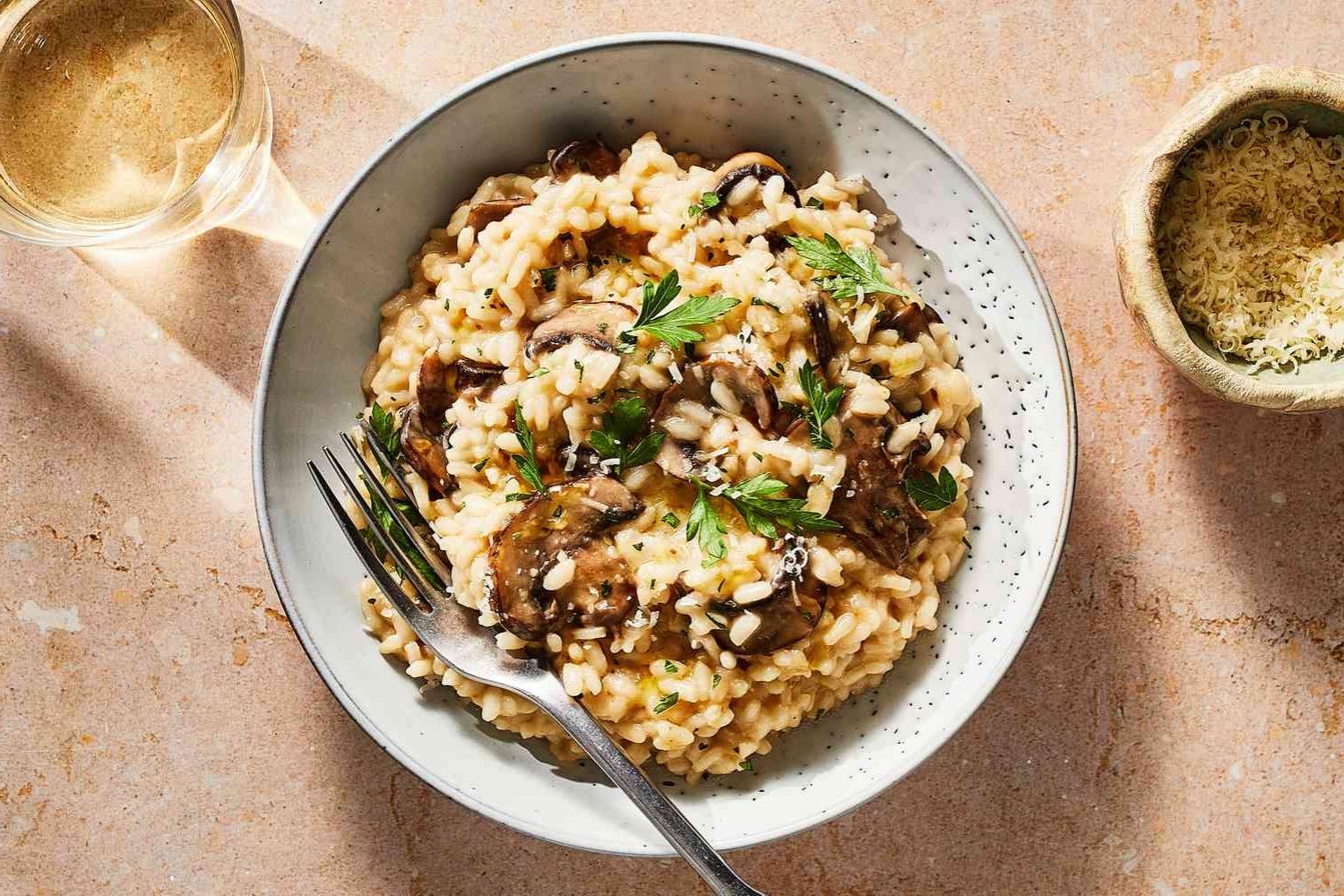
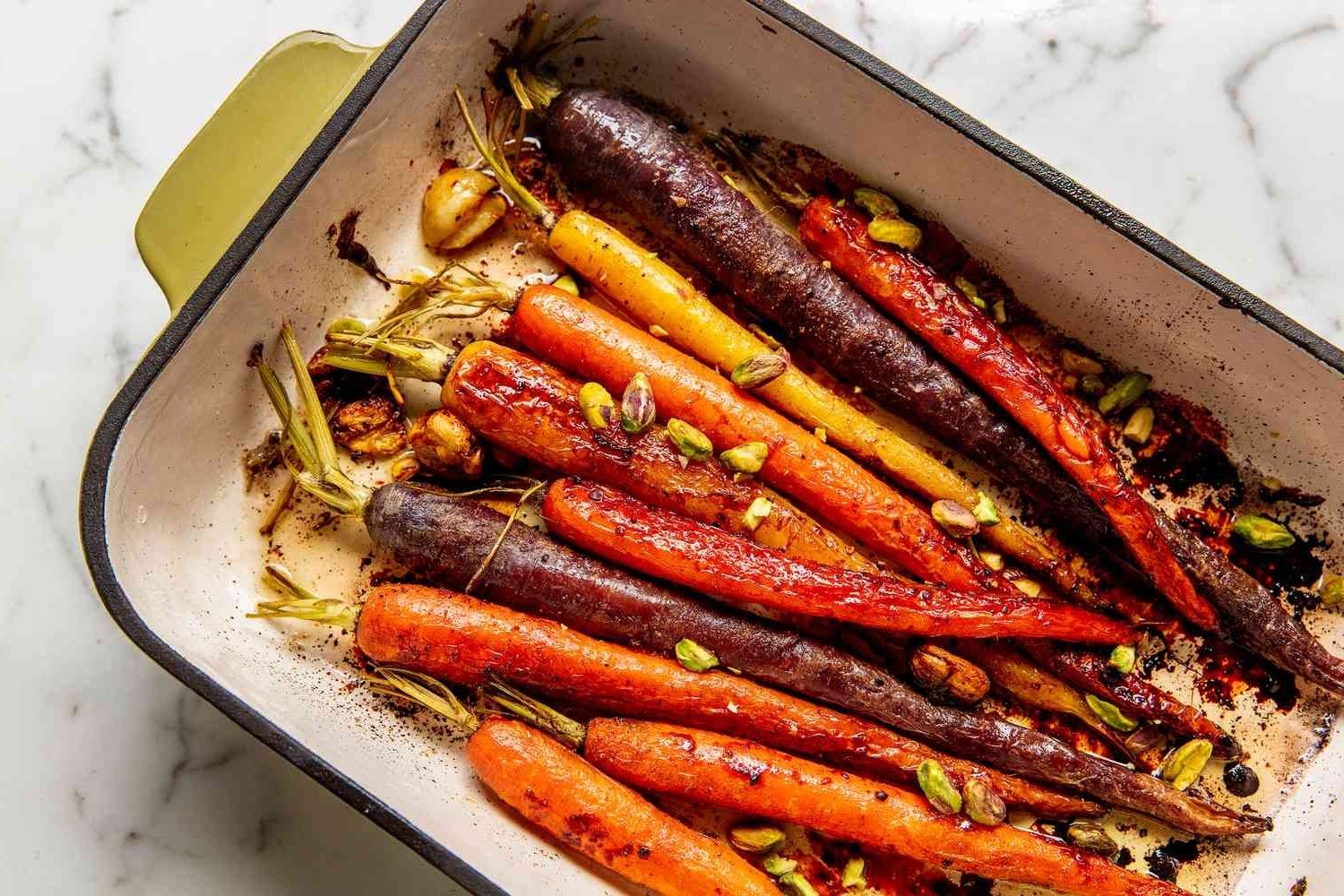
Suggested Side Dishes
Alternative Ingredients
olive oil - Substitute with canola oil: Canola oil has a neutral flavor and similar cooking properties, making it a good alternative for sautéing.
olive oil - Substitute with butter: Butter can add a rich flavor to the sauce, though it will change the overall taste slightly.
onion - Substitute with shallots: Shallots have a milder and sweeter flavor, which can add a subtle complexity to the sauce.
onion - Substitute with leeks: Leeks offer a milder taste and can provide a different texture to the sauce.
garlic - Substitute with garlic powder: Garlic powder can be used in a pinch, though it lacks the fresh, pungent flavor of minced garlic.
garlic - Substitute with shallots: Shallots can add a mild garlic-like flavor with a hint of sweetness.
canned tomatoes - Substitute with fresh tomatoes: Fresh tomatoes can be used if peeled and chopped, providing a fresher taste.
canned tomatoes - Substitute with tomato puree: Tomato puree can offer a smoother texture and more concentrated tomato flavor.
salt - Substitute with soy sauce: Soy sauce can add a salty and umami flavor, though it will alter the sauce's taste profile.
salt - Substitute with sea salt: Sea salt can be used as a direct replacement, offering a slightly different mineral content.
sugar - Substitute with honey: Honey can add sweetness with a hint of floral notes, though it will slightly change the flavor.
sugar - Substitute with maple syrup: Maple syrup can add sweetness along with a unique, rich flavor.
dried basil - Substitute with fresh basil: Fresh basil can provide a more vibrant and aromatic flavor, though you may need to use more.
dried basil - Substitute with dried thyme: Dried thyme can offer a different but complementary herbal note.
dried oregano - Substitute with fresh oregano: Fresh oregano can provide a more intense and aromatic flavor, though you may need to use more.
dried oregano - Substitute with dried marjoram: Dried marjoram has a similar but milder flavor, making it a good alternative.
black pepper - Substitute with white pepper: White pepper can provide a similar heat without altering the color of the sauce.
black pepper - Substitute with red pepper flakes: Red pepper flakes can add a bit of heat and a different flavor profile.
Alternative Recipes Similar to This Sauce
How to Store or Freeze Your Sauce
- Allow the pasta sauce to cool completely before storing. This helps prevent condensation, which can lead to a watery sauce.
- Transfer the cooled sauce into airtight containers or heavy-duty freezer bags. If using bags, lay them flat to save space in the freezer.
- Label each container or bag with the date and contents. This ensures you know how long the sauce has been stored.
- Store the sauce in the refrigerator for up to 5 days. For longer storage, place it in the freezer where it can last up to 3 months.
- When ready to use, thaw the frozen sauce in the refrigerator overnight. For a quicker option, you can defrost it in the microwave or in a saucepan over low heat.
- Reheat the sauce gently on the stove, stirring occasionally to maintain its texture and flavor. If the sauce appears too thick after reheating, add a splash of water or broth to reach the desired consistency.
- For added freshness, consider stirring in some freshly chopped basil or parsley just before serving. This can enhance the flavor and give the sauce a vibrant touch.
How to Reheat Leftovers
Stovetop Method:
- Pour the leftover pasta sauce into a saucepan.
- Heat over medium-low heat, stirring occasionally to prevent sticking.
- Add a splash of water or broth if the sauce has thickened too much.
- Once the sauce is heated through and bubbling gently, it's ready to serve.
Microwave Method:
- Transfer the pasta sauce to a microwave-safe bowl.
- Cover the bowl with a microwave-safe lid or plastic wrap with a small vent.
- Heat on high for 1-2 minutes, stirring halfway through.
- Continue heating in 30-second intervals, stirring each time, until the sauce is hot.
Oven Method:
- Preheat your oven to 350°F (175°C).
- Place the pasta sauce in an oven-safe dish and cover with aluminum foil.
- Heat in the oven for about 20-25 minutes, stirring halfway through.
- Once the sauce is hot and bubbling, remove from the oven and serve.
Slow Cooker Method:
- Pour the pasta sauce into the slow cooker.
- Set the slow cooker to low heat.
- Heat for 1-2 hours, stirring occasionally.
- Once the sauce is thoroughly heated, it's ready to serve.
Double Boiler Method:
- Fill the bottom pot of a double boiler with water and bring to a simmer.
- Place the pasta sauce in the top pot.
- Heat, stirring occasionally, until the sauce is hot.
- This method is gentle and prevents the sauce from burning.
Essential Tools for Making Sauce
Saucepan: A medium-sized saucepan is essential for cooking the sauce evenly and allowing it to simmer properly.
Wooden spoon: A wooden spoon is perfect for stirring the sauce without scratching the saucepan.
Chef's knife: A chef's knife is necessary for finely chopping the onion and mincing the garlic.
Cutting board: A sturdy cutting board provides a safe surface for chopping the onion and garlic.
Measuring spoons: Accurate measuring spoons ensure you add the correct amounts of olive oil, salt, sugar, basil, and oregano.
Can opener: A can opener is needed to open the canned tomatoes.
Mixing bowl: A mixing bowl can be useful for holding the chopped onions and minced garlic before adding them to the saucepan.
Ladle: A ladle helps in serving the sauce over your favorite pasta.
Timer: A timer ensures you cook the sauce for the correct amount of time, allowing the flavors to meld perfectly.
How to Save Time on This Recipe
Use pre-chopped onions: Save time by buying pre-chopped onions from the store.
Garlic paste: Substitute minced garlic with garlic paste for quicker preparation.
Canned tomato sauce: Use canned tomato sauce instead of whole canned tomatoes to skip blending.
Batch cooking: Make a large batch of pasta sauce and freeze portions for future use.
Pre-measured spices: Keep pre-measured spices in small containers to speed up the process.
Pasta Sauce Recipe
Ingredients
Main Ingredients
- 2 tablespoon Olive Oil
- 1 Onion, finely chopped
- 2 cloves Garlic, minced
- 800 g Canned Tomatoes
- 1 teaspoon Salt
- 1 teaspoon Sugar
- 1 teaspoon Dried Basil
- 1 teaspoon Dried Oregano
- to taste Black Pepper
Instructions
- 1. Heat the olive oil in a saucepan over medium heat.
- 2. Add the chopped onion and cook until translucent, about 5 minutes.
- 3. Add the minced garlic and cook for another minute.
- 4. Pour in the canned tomatoes, salt, sugar, dried basil, and dried oregano. Stir well.
- 5. Bring the sauce to a simmer and cook for 20-25 minutes, stirring occasionally.
- 6. Season with black pepper to taste. Serve over your favorite pasta.
Nutritional Value
Keywords
Suggested Appetizers and Desserts
More Amazing Recipes to Try 🙂
- Basic Burger Recipe20 Minutes
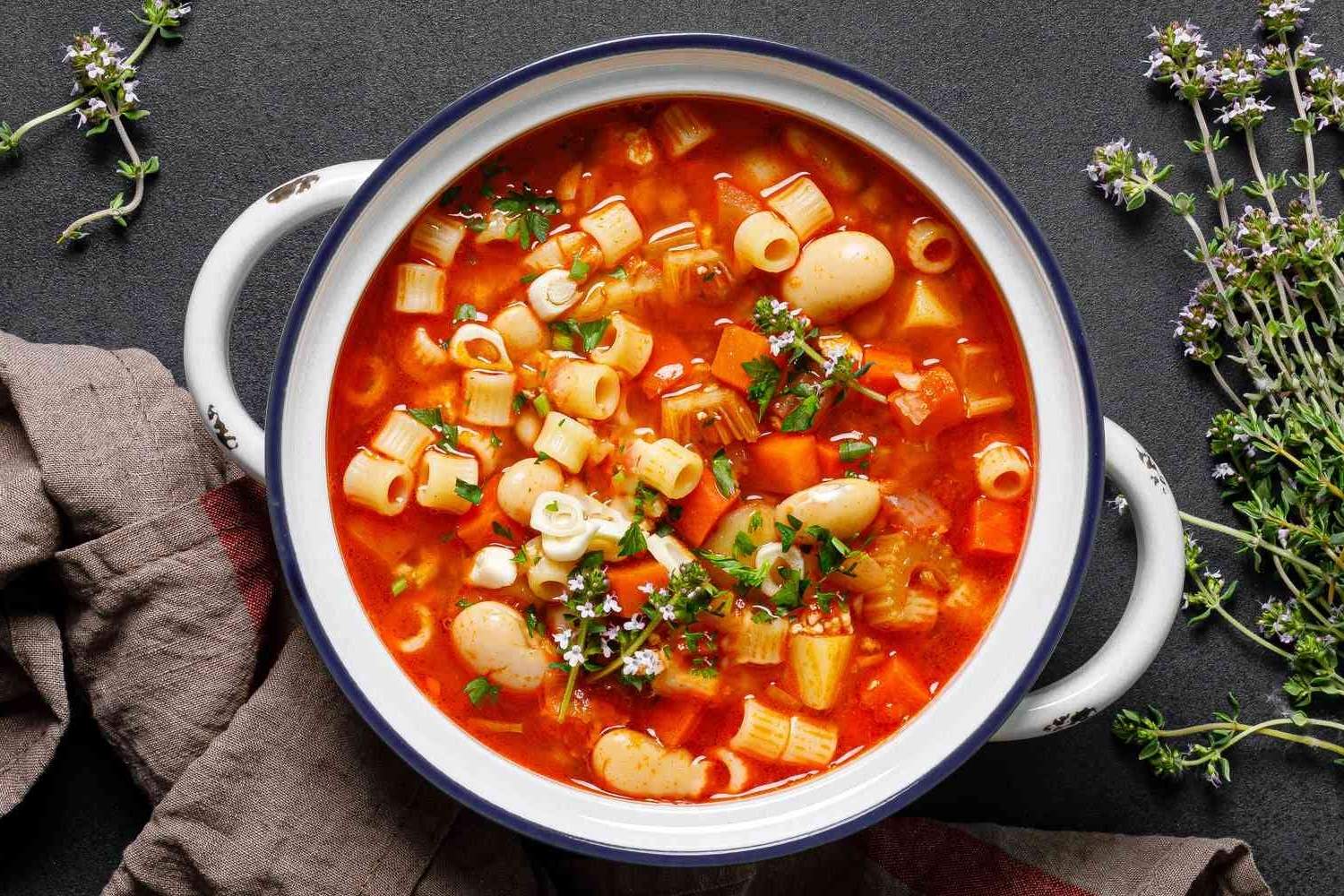
- Pasta Fagioli Recipe45 Minutes
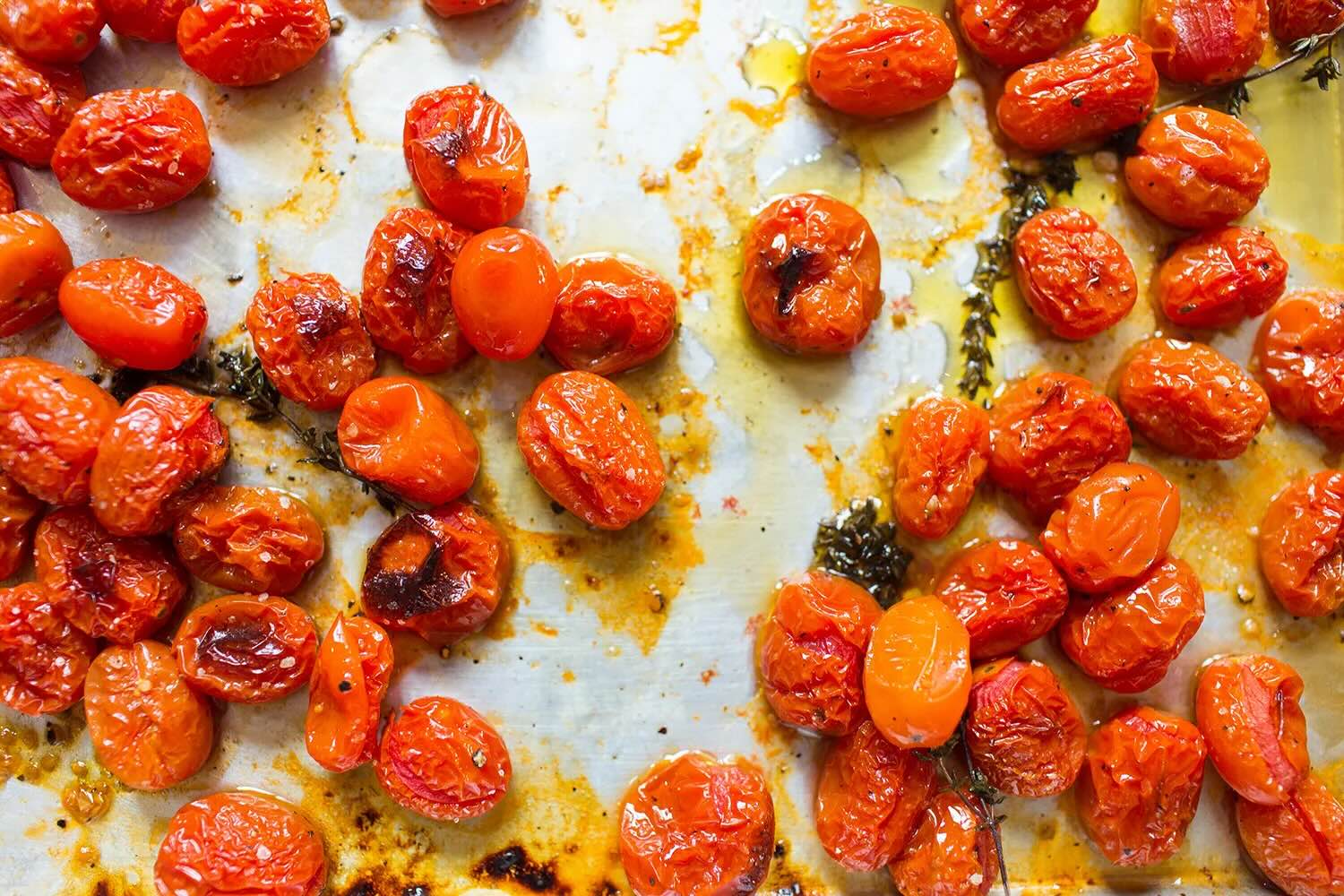
- Roasted Cherry Tomatoes Recipe25 Minutes
- Grilled Panini Recipe15 Minutes
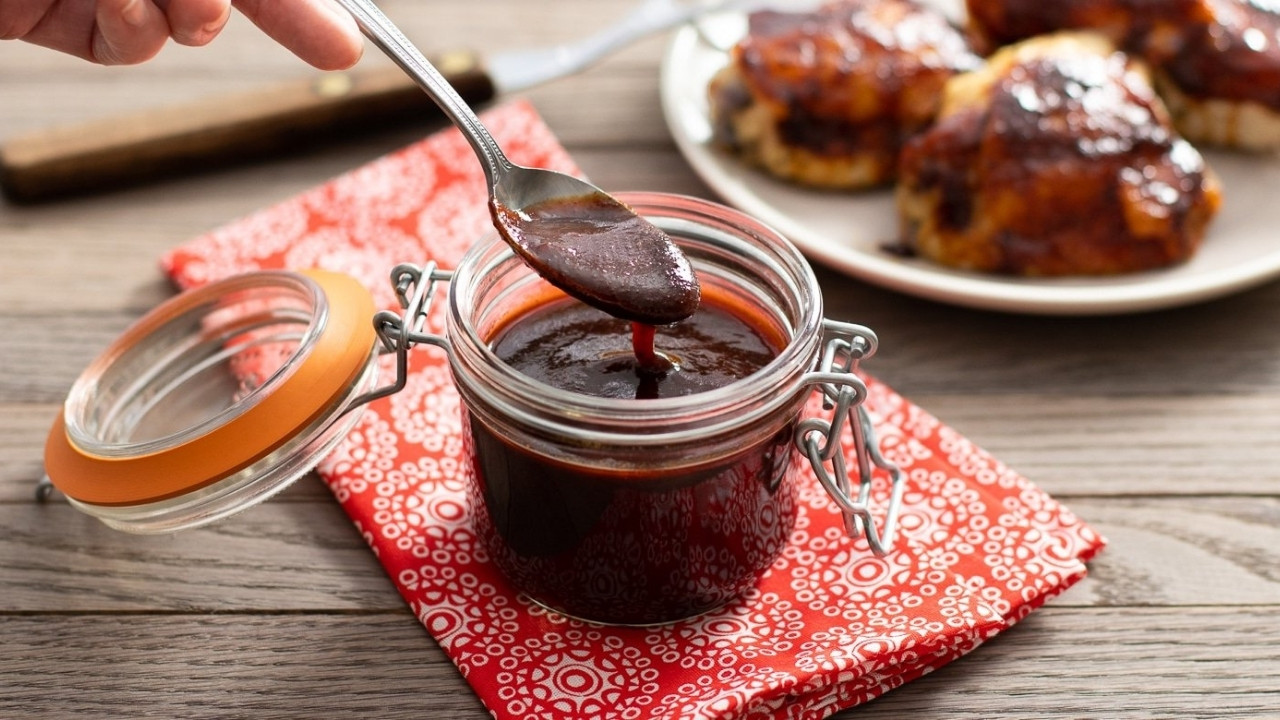
- BBQ Sauce Recipe30 Minutes
- Corn in a Cup Recipe15 Minutes
- Classic Old-Fashioned Recipe5 Minutes
- French Dip Sandwiches Recipe40 Minutes






Leave a Reply